Nicholasville, KY · Garage Door Service
What Happens to Garage Door Openers When the Power Goes Out in Nicholasville
Nicholasville homes built mostly between 1956 and 1991 face specific opener wear and power-outage risk in cold, snowy winters. Here's what to check first.
- Repairs & new doors
- Springs & openers
- Serving 7 nearby communities
The Problem
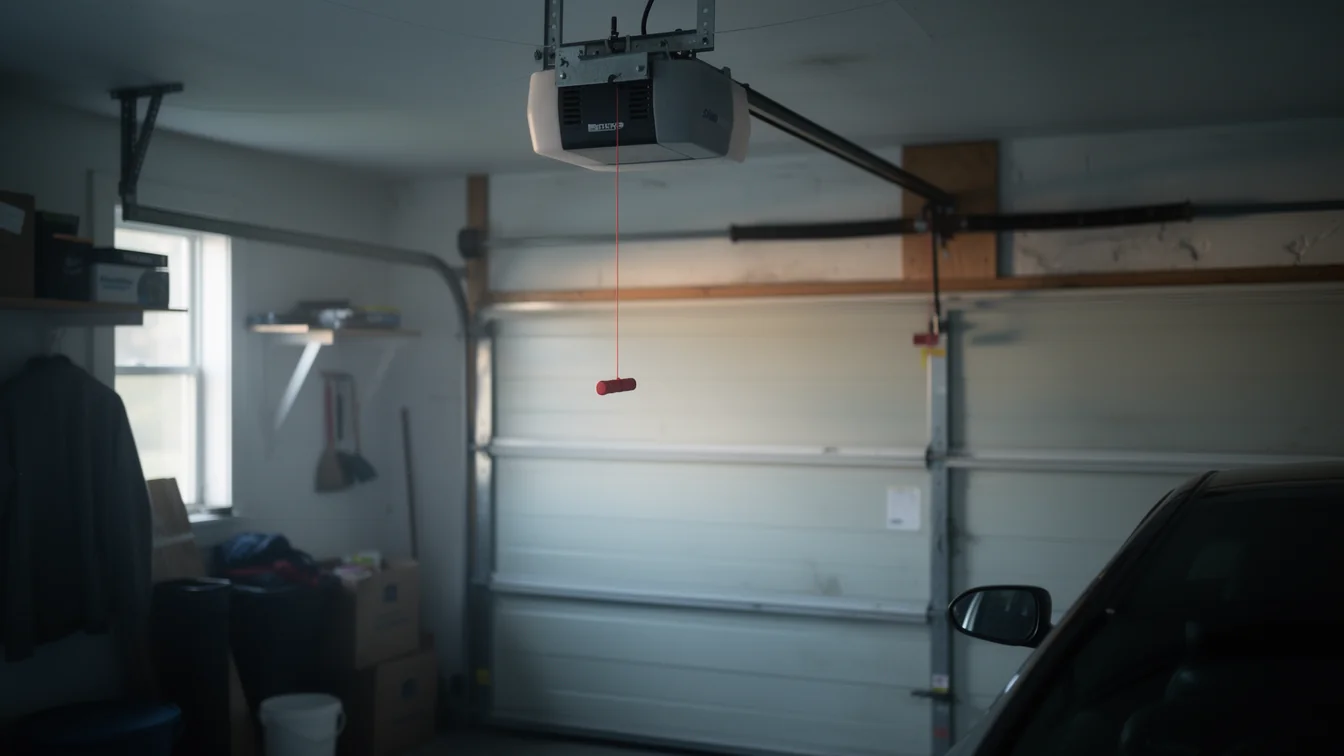
Most of the houses in this market went up between 1956 and 1991, with the median landing around 1971. That means a lot of openers out there are old enough to be on their second or third logic board, and a good number are chain-drive units installed before battery backup was even a standard feature. When the power goes out - which it does here through the winter months - a door with no backup battery just sits. No remote, no wall button, nothing. The manual release cord still works, but on a heavy double door with weak springs, lifting it by hand is not something every homeowner can do safely.
Across the seven areas that make up this service area - Deerfield, Beaumont Residential, the Old Richmond Road corridor, Hamburg, Eastland Parkway, Bryan Station, and the older streets closer to town - the opener stock skews toward units bought when the house was built or replaced once in the 90s or 2000s. That's two generations of opener technology that predate the battery-backup units sold today. The problem isn't that openers break. It's that when they fail, they tend to fail during the exact weather event - a cold snap with a power blip - when you need the door to work.
What Most People Get Wrong
The most common mistake is assuming a dead opener means a dead spring, or the other way around. They're not the same system. A torsion spring that's lost tension will make the opener strain and groan but the door itself gets heavy to lift by hand too. An opener that's simply lost power, or whose circuit board has failed from age, leaves the door perfectly liftable by hand - people just don't try, because they assume something's broken mechanically.
The second mistake is thinking the manual release cord is a backup plan. It disconnects the carriage from the opener, which is correct, but it does nothing about the actual weight of the door. On houses from the 1956-1991 era, doors are often original heavier wood or early steel panels, not the lighter insulated doors sold now. Pulling the cord on one of these during an outage can leave you with a door that's technically free to move and still too heavy to lift safely alone.
The third mistake is waiting for the power to come back instead of checking whether the opener has a battery backup at all. Plenty of homeowners in houses this age have never had one installed and assume all openers include it.
What to Look At First
Start with the manual release cord itself - on a door this old, check that it's not frayed, and that the emergency release mechanism hasn't been painted over or jammed by age. Second, open the opener housing (power off) and look for a battery pack. If there isn't one, that's the single biggest point of failure during an outage, and it's the easiest one to fix without touching the door itself.
Third, check the travel limit settings. Openers from the 1960s and 70s stock that's common here were often adjusted mechanically rather than with the digital limit switches on newer units, and age plus temperature swings can shift those settings enough that the door doesn't seat fully - which matters more in cold weather when metal contracts.
Fourth, look at the logic board date if you can find it. An opener installed when a house from the 1956-1991 wave was built, or even replaced once since, may be running components that are simply past their service life, independent of whether the house has had any other work done. We don't carry parts for every discontinued board on the market, and sometimes the honest answer is that a 20-year-old opener isn't worth chasing a part for - replacement is the cheaper and more reliable fix.
What the Weather Here Does to It
This area sits in a cold, moderate climate band - real winter, with the freeze-thaw cycling that goes with it, rather than extreme cold for long stretches. That cycling is hard on openers in a specific way: grease in the drive gear and on the track stiffens when temperatures drop, which makes the motor work harder on every cold start. Do that enough winters in a row and you shorten the life of the gear and the motor both.
Ice is the other factor. Moisture that gets into the track or onto the rollers can freeze overnight, and an opener trying to force a door through an iced track is one of the more common calls after a cold snap. It's not usually the opener's fault - it's ice doing what ice does to anything mechanical sitting in a cold garage.
Power outages tend to cluster around the same weather that causes the ice: a winter storm knocks out power and drops temperatures at the same time, which is exactly when a battery-backed opener earns its cost and an opener without one leaves you stuck. Across 12,635 households in this market, a meaningful share are dealing with openers from the same housing-stock era, which means these same two problems - iced tracks and no backup power - show up on the same cold nights, house after house.
Frequently asked questions
How do I know if my garage door opener has a battery backup?
Open the plastic housing on the opener motor unit with the power off and look for a battery compartment, usually a separate box attached to or built into the unit. If you don't see one, your opener almost certainly doesn't have backup power, which is common on units installed when houses in this area were built or first updated.
Can I lift my garage door by hand during a power outage?
You can pull the manual release cord to disconnect the opener, but whether you can then lift the door depends on its weight and spring tension, not the opener. On older, heavier doors from this area's housing stock, that can be more than one person can safely manage alone.
Why does my opener struggle more in winter?
Cold temperatures stiffen the grease in the drive mechanism and can let moisture freeze on the track or rollers, both of which make the motor work harder. This shows up more in a cold, moderate climate with regular freeze-thaw cycling than it would somewhere with a milder winter.
Is it worth repairing an old opener instead of replacing it?
Depends on the age and the specific part needed. We don't stock parts for every discontinued board on the market, and for openers old enough to match the earliest housing stock in this area, replacement is often the more reliable and cheaper path than chasing a hard-to-find part.
Related garage door services in Nicholasville
More garage door guides
Book garage door service in Nicholasville
Call now or request a quote - tell us what the door is doing and where you are.