
Nicholasville, KY · Garage Door Service
What Happens When a Spring Goes in the Cold Around Here
Why garage door springs snap in cold weather on Nicholasville's older housing stock, what to check first, and what the freeze-thaw cycle does to a door built in the 1960s or 70s.
- Repairs & new doors
- Springs & openers
- Serving 7 nearby communities
The Problem
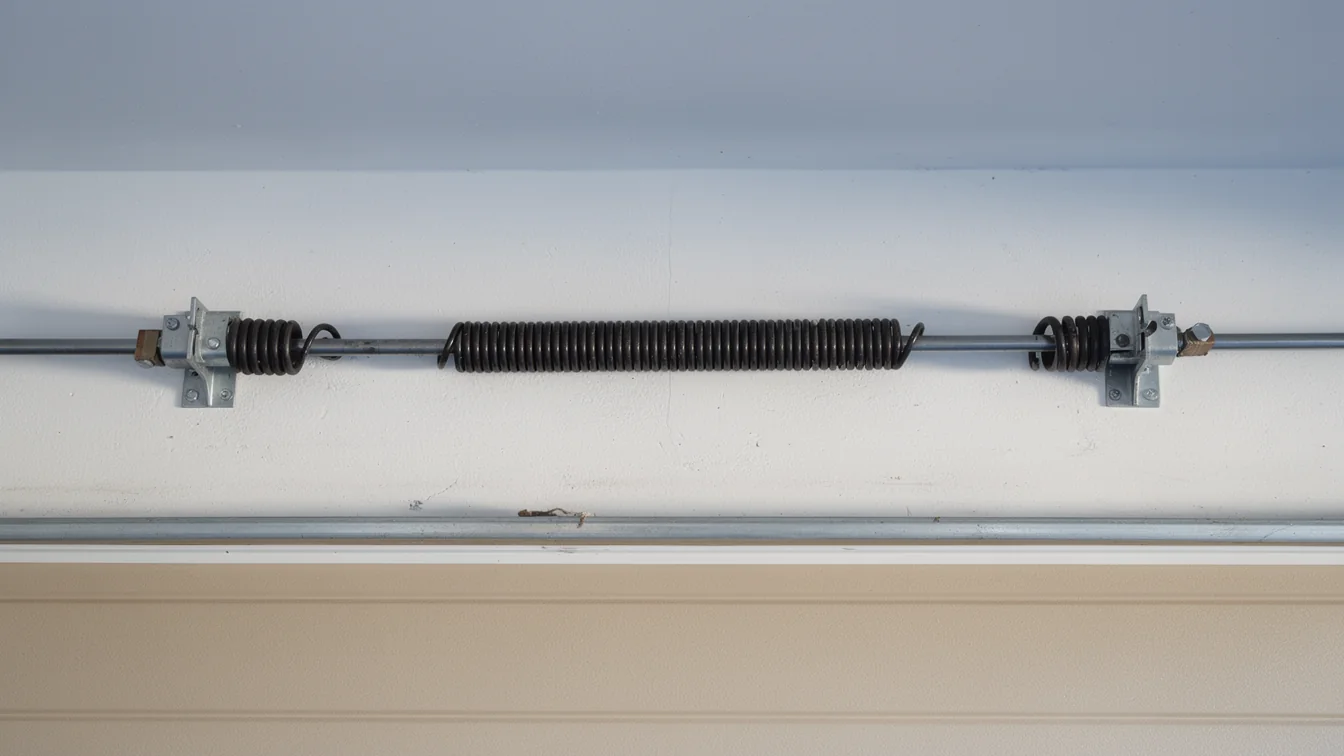
A torsion spring doesn't care what the thermometer says most of the year, but drop the temperature fast and steel that's been flexing fine all summer can snap on the next lift. We see this pattern a lot in Nicholasville because so much of the housing here was built between 1956 and 1991, with the median house going up around 1971. That means a sizable share of garage doors in this area are either original equipment or a direct replacement sized to match an opening that's fifty-plus years old. Cold steel is less forgiving steel - a spring that's already fatigued from decades of cycles doesn't bend, it breaks. Usually it happens on the first real cold snap of the season, right when someone's heading out the door for work and the opener just hums without moving the door at all. That's the call we get most: door won't budge, cables look loose, spring is split in two up by the header. It's not rare and it's not random. It's what you'd expect from a door hardware package that's been doing its job since the Nixon administration.
What Most People Get Wrong
The most common mistake is assuming the opener is the problem because that's the part that makes noise. People replace a motor or a circuit board before anyone's looked at the spring that's actually doing the lifting. With 5,883 owner-occupied houses across this service area, and most of them sitting in that 1956-1991 build window, we're dealing with a lot of original or near-original torsion hardware that's simply aged out - not malfunctioning, just worn through. The second mistake is waiting. A spring under tension that's starting to show rust pitting or a visible gap in the coil is not a maintenance item you get to next spring. It's a safety item, because a spring that lets go under load can take a cable, a bracket, or a finger with it. The third mistake, and this one's honest: people try to adjust or replace a torsion spring themselves. It's wound under several hundred pounds of tension and it's not a weekend project. That one we'll say plainly - call someone for that part, even if you're comfortable doing everything else on the list.
What to Look At First
Start with the spring itself, not the opener. Look at the coil above the door - if you see a clean gap where the spring has separated, that's your answer and the door needs the spring replaced before anything else gets touched. If the coil looks intact, check the cables on both sides for fraying or slack, since a dying spring puts extra load on the cables before it actually breaks. Next, look at the bottom brackets and rollers, especially on doors tied to the 1960s-70s stock that makes up most of this area's seven older pockets - steel rollers and worn track from that era bind up harder once the metal contracts in the cold, which adds load right when the spring can least afford it. Last, listen for the motor straining without the door moving; that's the opener trying to do a job the broken spring can't help with anymore, and running it repeatedly can burn out the gear set. None of this requires tools, just a flashlight and five minutes before you decide what kind of call to make.
What the Weather Here Does to It
This area sits in a cold moderate climate band, which means the garage isn't staying at one temperature all winter - it's swinging through freeze and thaw as fronts move through. Steel contracts when it's cold, and a torsion spring that's already stretched thin from forty-plus years of daily cycles loses flexibility right when the temperature drop adds stress to the coil. That's a different failure pattern than a hot climate, where the bigger issue is lubricant breaking down. Here, it's brittleness meeting load. From Wilmore five miles out to Harrodsburg eighteen miles the other direction, the same mid-century-built housing repeats block after block, and the same cold-snap spring failures show up on the same kind of door regardless of which side of town it's on. If your door's spring is original to a house built anywhere in that 1956-1991 range, the first hard freeze of the year is exactly when it's most likely to go.
Frequently asked questions
Why does my garage spring always seem to break in winter and not summer?
Cold steel loses some of its flex, and a spring that's been cycling for decades is already fatigued. Add a sharp temperature drop and the coil that was barely holding together gives out. It's not that cold weather causes the wear - it's that cold weather is when the worn spring finally fails.
My house was built in the 60s or 70s - does that matter for my garage door?
It can. A lot of houses in this area date to that window, and many still have original or early-replacement torsion springs sized for the original door. Decades of cycles plus age-related hardware wear is a common combination here, and it's worth having the spring and cables checked before winter if you've never had it done.
Can I replace a torsion spring myself to save money?
We'd tell you not to. A torsion spring is wound under heavy tension and letting it go wrong can cause real injury. Cables, rollers, and brackets are more forgiving to inspect yourself, but the spring itself is the one job on this list worth paying someone for.
Related garage door services in Nicholasville
More garage door guides
Book garage door service in Nicholasville
Call now or request a quote - tell us what the door is doing and where you are.